Problem
The job is not the hard part. The paperwork is.
A tradesperson finishes at six. Then the second job starts: the quote at nine at the kitchen table, the invoice typed into Word, the chasing texts, the receipts in the glovebox, the VAT return hanging over the weekend.
The tools built for this were built for accountants and office workers. Desktop software, dashboards, exports, logins. A plumber standing in a van does not want any of it. So the work gets done late, badly, or not at all. Invoices go out days after the job. Payment takes 60 to 90 days. Receipts get lost and VAT gets overpaid.
Nobody has fixed this because tradespeople do not download software. They are fragmented across hundreds of trades and they are allergic to anything that feels like office work. You cannot pull them onto a new platform. You have to go to the one they already use all day, for every customer and every supplier. That is WhatsApp.
Solution
Four things. Done properly. Inside WhatsApp.
No app. No dashboard. No training. Just a WhatsApp message.
Quotes
Send a voice note describing the job. A professional quote goes to the customer. They approve it in the chat.
Invoices paid by card
One message turns the job into an invoice with a card payment link. The customer pays by credit card from their phone. No bank transfers, no chasing.
Expense tracking
Photo of the receipt from the merchant counter. Logged, categorised, done. The glovebox retires.
VAT reporting, automated
Every invoice and expense above feeds the VAT record. When the return is due, the numbers are ready. No weekend of dread.
We do those four jobs and nothing else. But notice what doing them produces. Every quote, every invoice, every card payment, every receipt is a clean, structured record of how a trade business actually runs. Income, spend, customers, how fast they get paid, how often the work repeats. Nobody has ever held that picture of this segment. We get it as a side effect of doing the paperwork.
Easier to watch than to read.
See it for yourselfBusiness Model
A software fee and a payment fee. That is the whole model.
Two lines you can check with a calculator.
| Line | What it is | Price |
|---|---|---|
| Subscription | Quotes, invoices, expenses, VAT Free while we grow the base | €24/month |
| Payment fee | Card payments on invoices Live today | 2% |
The arithmetic is simple. 10,000 subscribers at €24 a month is €2.9M ARR before a single card payment. Payment fees stack on top of that, and our users have already pushed €12.4M of invoices and quotes through the product. Software margins on work that currently gets done at a kitchen table for free. And because we sit on both the invoice and the payment, we know how fast every one of these businesses gets paid, who pays them, and how often the work repeats. That record exists nowhere else, and it gets deeper every month.
Traction
€12.4M+ in business activity. Under 12 months.
Real usage. Real retention. Real need.
The last number is the product in one line. The industry norm is 60 to 90 days. Our users get paid in 2.1, because the invoice arrives while the customer is still standing in the finished kitchen, with a card link attached.
98% organic acquisition. No referral programme, no incentives. The latest cohort shows a k-factor of 3, because every invoice a customer receives is a demo. 84% of activated users invoice through the product. And a leading builders merchant partnership is now closed at leadership level: 26 stores across Ireland and the UK.
Market
Every tradesperson quotes, invoices, and files VAT.
Universal, recurring, and legally required. Every year, every business, no exceptions.
Every tradesperson with a phone produces quotes, sends invoices, buys materials, and owes a VAT return. Almost none of that runs through software built for how they actually work. Ireland and the UK first, where we already have users, a merchant partner, and word-of-mouth growth. Then the same playbook in one EU market.
The honest comparables are the compounding software businesses: a modest monthly fee for work people hate doing, customers who stay for years, a small cut of the payments flowing through. Intuit started as a chequebook app. Square started as a card reader for farmers market stalls.
Go-to-Market
The product sells itself. The merchants scale it.
Two channels. Both already working.
Word of Mouth - K-factor 3
98% organic acquisition. A professional invoice landing in a customer's WhatsApp is self-evident proof, and plenty of those customers are tradespeople themselves. CAC <€25.
Builders Merchant Partnership - 26 Stores
Closed at leadership level, Ireland and the UK. Tradespeople stand at those trade desks every morning. Phase two turns the merchant's reps into our reps. This is the unlock that needs capital now.
Team
Battle-tested co-founders with exits and scars.
Built companies, sold them, survived earn-outs, started again, failed, and starting again. They know each other. This is not their first rodeo.

David Coallier
Repeat founder. 3 exits including to Sophos, and EngineYard. Leads product, distribution, and company building.
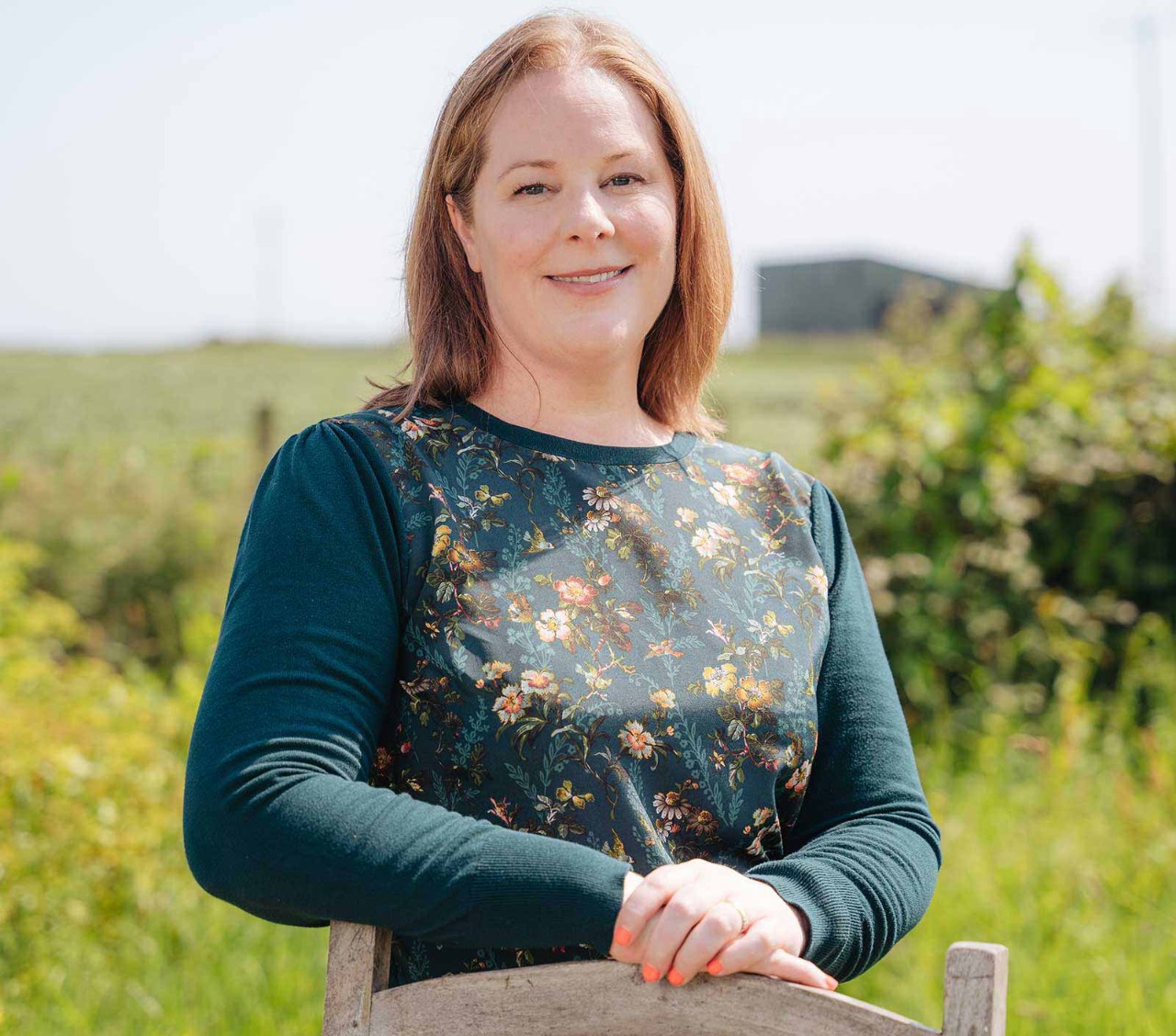
Clodagh Monks
20 years in finance and compliance. Leads finance, risk, and operational scale.

Ross Duggan
AI infrastructure and large-scale systems. Leads architecture and technical execution.
The Ask
Raising €1.2M SAFE. Deploying now.
The merchant partnership is signed. 26 stores. UK entry. The capital goes into distribution for a product that already works.
€8.75M cap
Use of Funds
- 55% - UK GTM with merchant partner
- 25% - Engineering (core workflow, payments)
- 10% - AI & tokens
- 10% - Ops & compliance
Target Outcomes
- 26 merchant stores live
- UK market established
- 5× user growth (~2,000+)
- Subscription revenue switched on
- Series A ready